Preventing burst pipes during freezing weather starts long before temperatures drop, with smart insulation, maintenance, and planning for both homes and commercial or industrial buildings. When a pipe does burst, quick action to shut off water, protect people and property, and call in professional restoration like Paul Davis can dramatically reduce damage and downtime.
Table of Contents
Why Pipes Burst In Freezing Weather
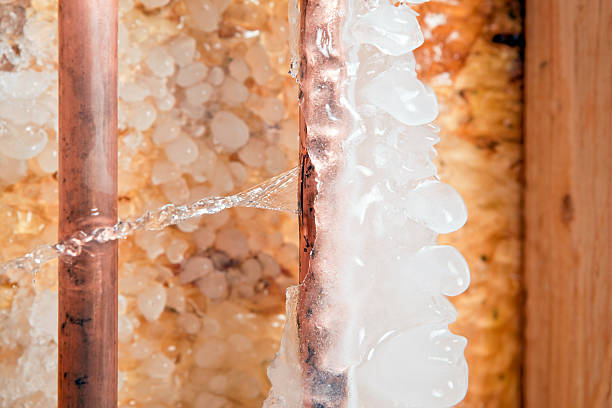
When water inside a pipe freezes, it expands and creates intense pressure against the pipe walls, which can cause the pipe to crack or rupture once temperatures rise and water flow resumes. Pipes in unheated or poorly insulated areas such as attics, crawl spaces, exterior walls, garages, and mechanical rooms are at especially high risk.
For both homes and commercial or industrial facilities, the danger usually increases when:
- Temperatures drop below about 20°F for several hours.
- Thermostats are turned down too low or heating fails overnight or on weekends.
- Water systems are idle, with no flow through vulnerable lines.
Preventive Steps For Homeowners
A few targeted steps can greatly reduce the risk of frozen and burst pipes in residential properties. Many are simple, low-cost actions that can be done before and during each cold snap.
Key home protection steps:
- Keep the thermostat set at 55°F or higher, even when away, to maintain baseline warmth throughout the home.
- Insulate exposed pipes in unheated spaces (attics, basements, crawl spaces, garages, exterior walls) with foam sleeves, pipe wrap, or similar materials.
- Disconnect and drain garden hoses, shut off and drain outdoor spigots from the interior valve if possible, and consider faucet insulators on outside taps.
- During extreme cold, let a slight trickle of cold water run from faucets on vulnerable lines to keep water moving.
- Open cabinet doors under sinks located on exterior walls so warmer air can reach supply lines.
- Seal air leaks around windows, doors, sill plates, and penetrations where cold air can reach plumbing chases.
- Consider heat tape or heat cable (installed per manufacturer instructions and local code) on high-risk runs of pipe.
For additional residential tips and water-damage guidance, see the Paul Davis water damage resource page.
Read More: Water Damage Resources
Preventive Steps For Business & Industrial Properties
Commercial and industrial buildings often have more complex plumbing, fire protection, and process piping systems, which can magnify the impact of a freeze-related failure. Proactive planning is essential, especially for campuses, manufacturing facilities, hospitality, healthcare, and multi-tenant properties.
Important measures for facilities and property managers:
- Insulate piping in unconditioned spaces, loading docks, mechanical rooms, rooftop chases, stairwells, and perimeter walls using appropriate commercial-grade insulation systems.
- Implement a winterization plan that includes draining or isolating nonessential water lines and seasonal systems that will not be used in winter.
- Maintain building heat, with special attention to nights, weekends, and holidays, and set alarms for temperature drops in critical zones.
- Inspect and protect fire protection and sprinkler piping by maintaining required antifreeze solutions where allowed or adding heat tracing and enclosure where needed.
- Seal building envelope gaps (dock doors, roof penetrations, louvers, wall openings) that allow cold air to reach interior pipe runs.
- Identify and clearly label shutoff valves for domestic water, process water, and specialized systems; ensure staff know how and when to operate them.
What To Do If A Pipe Freezes Or Bursts
Even with good prevention, severe weather or unexpected equipment failures can still lead to frozen or burst pipes. Having a clear action plan helps limit water damage, protect safety, and speed restoration for both homes and businesses.
If you suspect a frozen pipe (no water from a faucet, or very low flow):
- Check other fixtures to see if the problem is localized or building-wide.
- If accessible and safe, gently warm the suspect pipe using a space heater placed at a safe distance or warm towels—never use open flames or torches.
- Leave the faucet open so water can flow as the ice melts, reducing pressure in the line.
If a pipe has burst or is actively leaking:
- Shut off the main water supply immediately using the property’s main valve to stop the flow of water.
- If water is impacting electrical systems, shut off power to the affected area at the breaker panel if it is safe to reach; if not, stay clear and contact an electrician.
- Move people, critical equipment, documents, and valuables away from the affected area to prevent further damage.
- Start blotting up standing water with mops and towels if conditions are safe, and use buckets to catch active drips from ceilings or overhead lines.
- Document damage with photos and video for insurance purposes before large-scale cleanup and demolition begin.
When And Why To Call Paul Davis
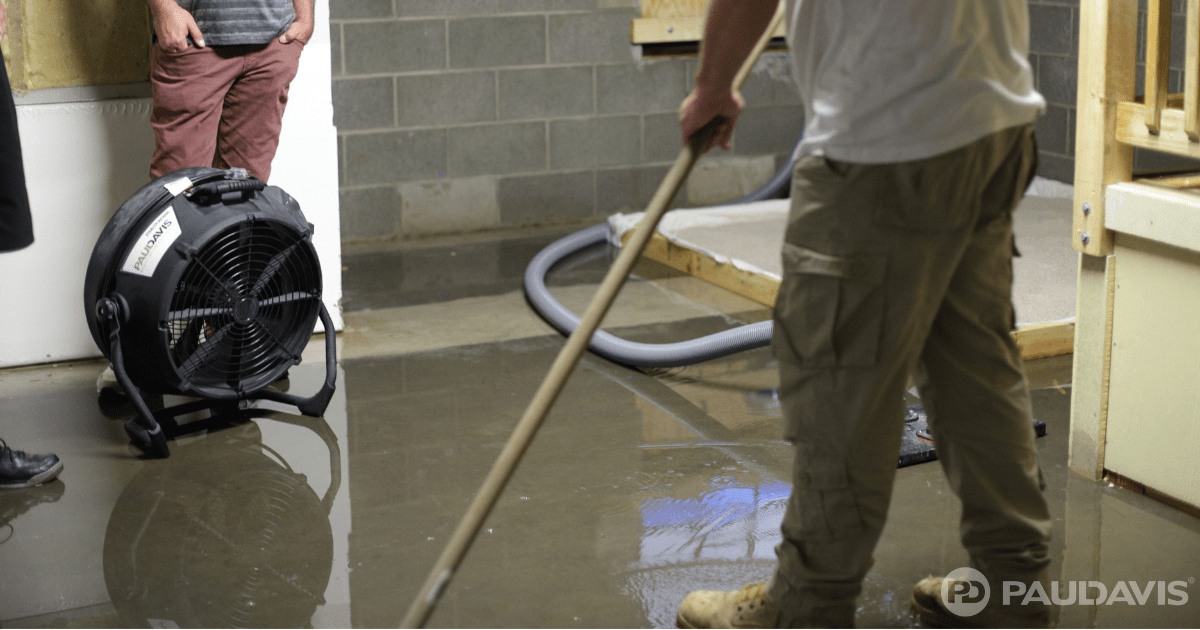
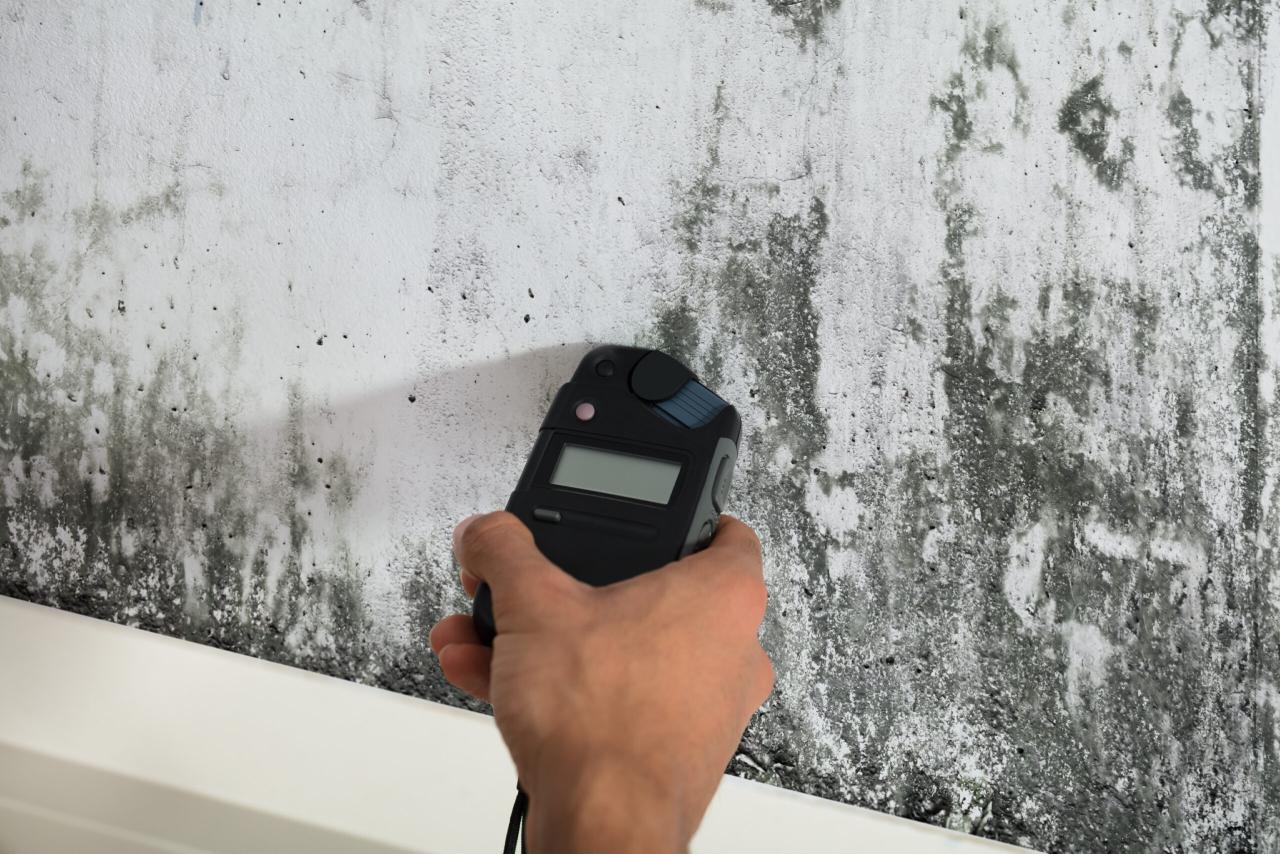
Water from a burst pipe can quickly soak floors, walls, insulation, contents, and equipment, and hidden moisture can fuel mold growth and structural damage if not professionally addressed. For both residential and commercial properties, specialized extraction, drying, and restoration are often the difference between minor repairs and major reconstruction.
You should contact Paul Davis as soon as you have:
- Stopped the active water flow (or need help locating and stopping it) after a burst or major leak.
- Visible standing water, saturated building materials, or water traveling between floors or into critical areas like data rooms or clinical spaces.
- Concerns about mold, contamination, or damage to structural components, finishes, and contents.
Paul Davis offers:
- 24/7 emergency water removal and structural drying for homes, commercial buildings, and industrial sites.
- Assistance documenting losses and working with your insurance carrier during the claims process.
- Full-service restoration and reconstruction to return your property to pre-loss condition whenever possible.
Sources
- American Red Cross: Preventing and Thawing Frozen Pipes – Provides widely cited cold-weather safety guidance, including best practices for preventing frozen and burst pipes in residential properties.
- Consumer Reports: How to Prevent Your Pipes From Freezing – Covers why pipes freeze, how to apply heat safely, and strategies to prevent plumbing failures.
- Department of Energy: Insulation Services and Materials – Helpful information on different types of insulation materials suitable for protecting pipes and sealing drafts.
- Insurance Institute for Business & Home Safety (IBHS): Winter Weather Ready Guide – Includes winter preparedness guidance relevant to both homeowners and commercial property owners.
- Protect Your Pipes: Keep pipes from freezing and bursting – Provides straightforward winter pipe protection and thawing steps recommended for residential plumbing.