Thanksgiving brings families together for a day filled with food and celebration—but it also marks the number one day for home fires in the U.S. The U.S. Fire Administration (USFA) and National Fire Protection Association (NFPA) report that roughly 2,300 home fires occur each Thanksgiving, making fires 2.3 to 4 times more common than on the average day. Most incidents begin in the kitchen, where crowded spaces, hectic cooking schedules, and constant distractions create dangerous conditions. With homes filled with guests, decorations, and extended cooking time, the mix of heat sources and combustible materials significantly increases the likelihood of a fire. Recognizing these risks—and taking a few simple precautions—can help ensure a festive holiday for all.
To understand how destructive these incidents can be, let’s take a closer look at some key Thanksgiving Day fire statistics.
Thanksgiving Fire Statistics
- Every Thanksgiving, fires result in 5 deaths, 25 injuries, and $26 million in property damage. (USFA)
- Cooking causes 74% of Thanksgiving Day fires, with heating equipment responsible for 8%. (USFA)
- Cooking is also the leading source of fire-related injuries. Between 2017 and 2019, it accounted for 31% of residential fires that injured non-firefighters. (USFA)
Why are fire risks so much higher on Thanksgiving—and more importantly, what steps can you take to protect your home and loved ones?
Table of Contents
Common Causes of Fires on Thanksgiving Day
Thanksgiving involves many simultaneous cooking tasks and heat sources—any of which can lead to a dangerous situation. Below are the most frequent causes.
Turkey Fryers
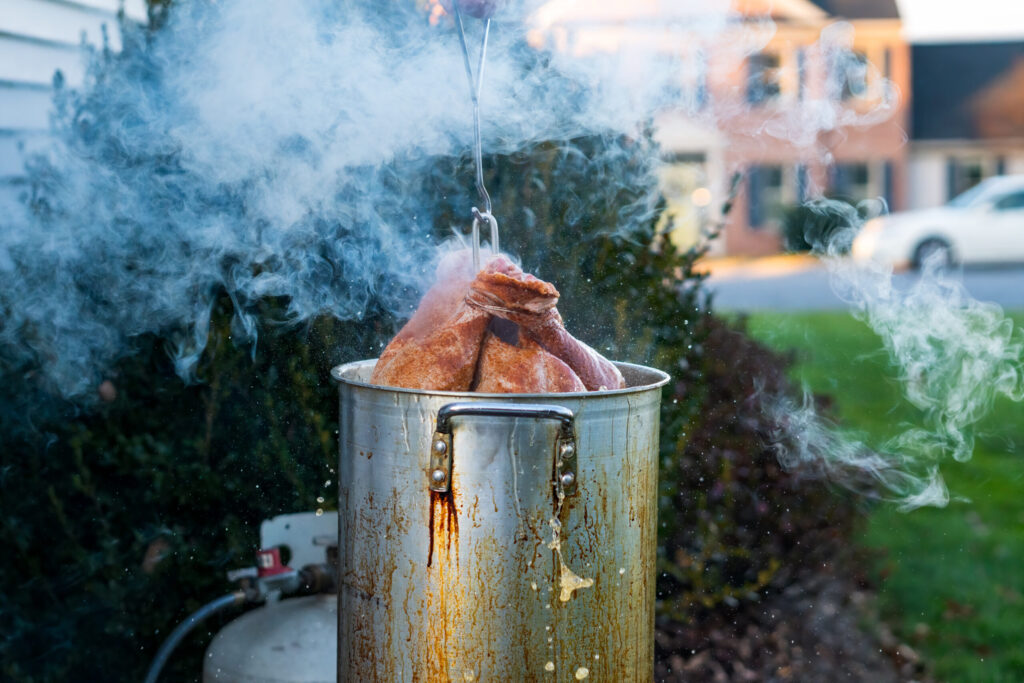
Turkey fryers are among the most hazardous consumer cooking tools available. They consistently lead to more fire-related injuries than any other type of cooking equipment. Fire safety organizations, including the NFPA, strongly advise against using fryers that require cooking oil because they can easily ignite, cause severe burns, or even explode.
NFPA recommends opting for oil-free models—such as electric or air fryers—or purchasing a fried turkey from a store or restaurant. If you choose to use an oil-based turkey fryer, take extreme caution and follow these essential safety steps:
- Follow all instructions provided by the manufacturer.
- Set the fryer on a sturdy, level, non-flammable surface. A small tilt can spill scalding oil and ignite a fire.
- Keep at least two feet of space between the propane tank and fryer burner.
- Have an all-purpose fire extinguisher on hand.
- Use only the oil type specified in the fryer’s manual—different oils ignite at different temperatures.
- Avoid overfilling. To measure correctly, place the turkey in the pot, fill with water until covered, then mark the water level before adding oil later.
- Thaw the turkey completely before lowering it into oil. Even partially frozen meat can cause violent oil splatter or explosions.
- Protect yourself with insulated mitts and long sleeves; fryer surfaces become dangerously hot.
- Wear goggles to guard against oil splashes.
- Never walk away from a heating fryer—uncontrolled oil temperatures can lead to ignition.
- Turn off the gas immediately if the oil begins smoking.
- Never use water on a grease fire.
- Remember that oil stays dangerously hot for hours; keep pets and children far away.
Stovetops and Ranges
NFPA data shows that ranges and cooktops are involved in the majority of cooking fires—responsible for 53% of fires, 74% of injuries, and 88% of deaths. Electric ranges are especially risky, producing fires 2.4 times more often than gas ranges because their heat is less visible and they cool more slowly.
You can reduce the risk for you and your loved ones by following these guidelines:
- Stay in the kitchen—never leave food unattended, especially when cooking with oil.
- Reduce heat if you notice smoking or boiling oil.
- Use oils sparingly and avoid overfilled pans—grease is the top ignition source in cooking fires.
- Don’t cook if you’re tired, drowsy, or have been drinking.
- Set timers and routinely check on dishes, particularly those with long cooking times.
- Tie back loose hair and avoid wide sleeves or dangling accessories.
- Keep the stove area clear of flammable items like towels, packaging, or utensils. These are some of the leading causes of kitchen fires.
- Keep a metal lid or baking sheet close to smother small flames.
- Turn pot handles inward and prioritize using back burners to avoid spills or burns.
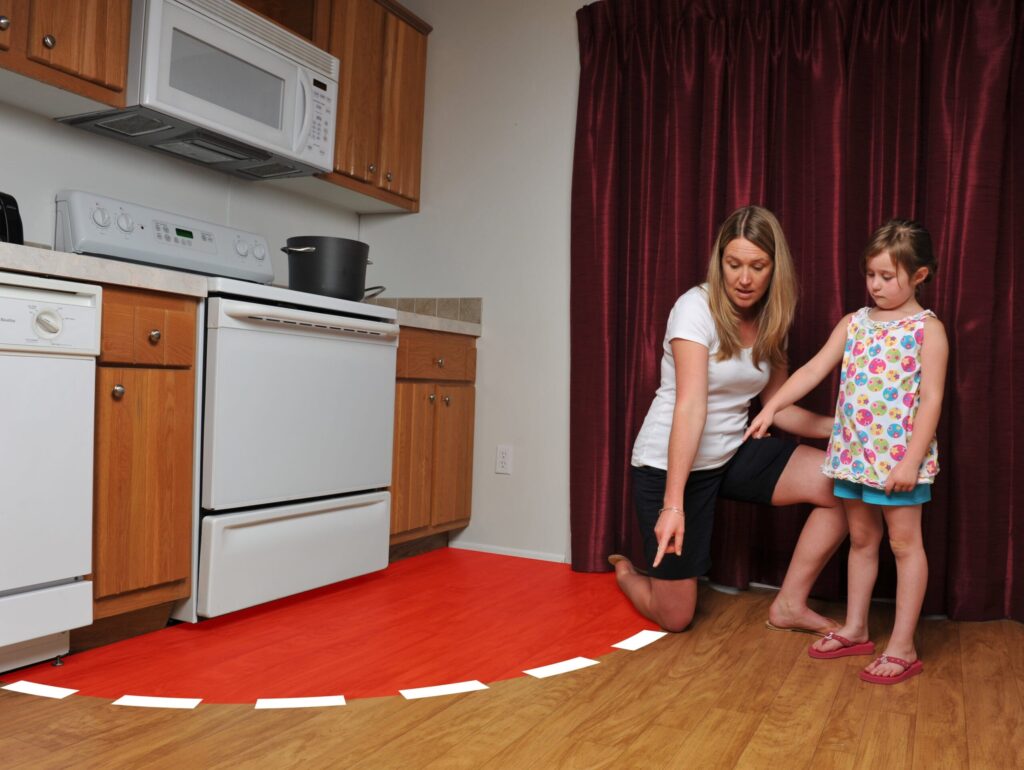
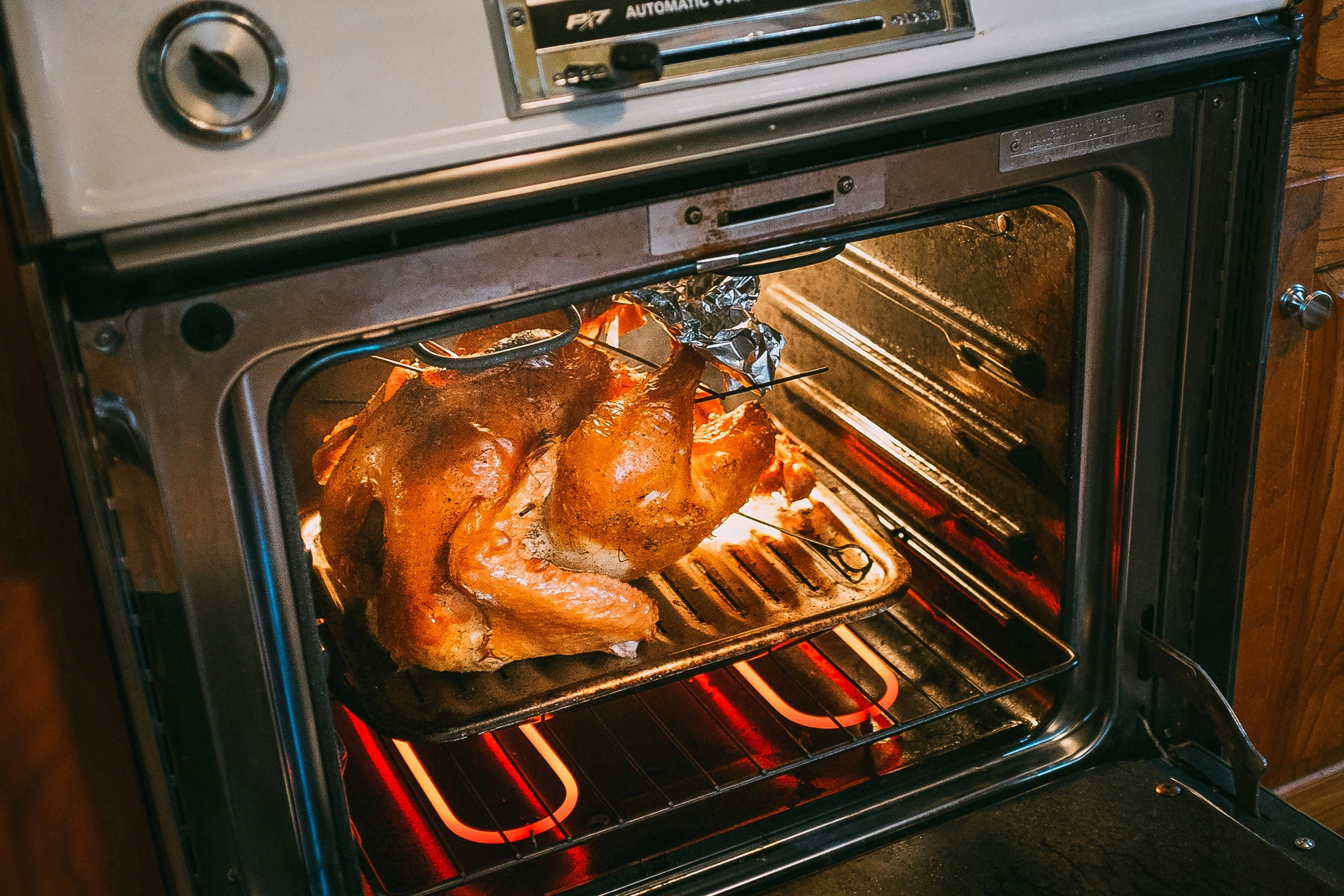
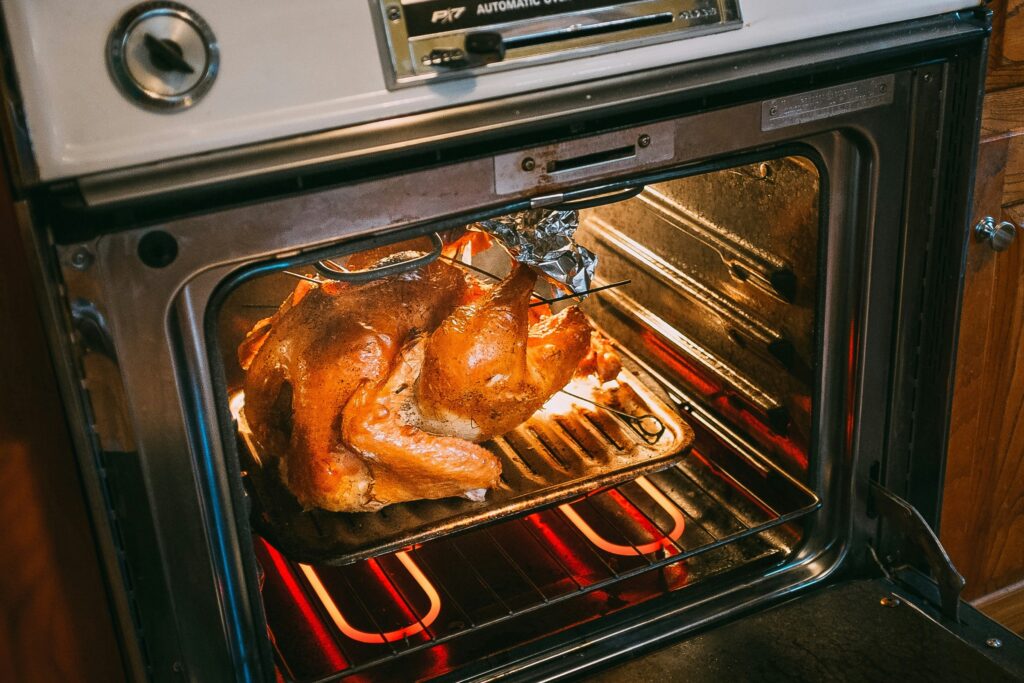
Thanksgiving dramatically increases oven use, which raises fire risks due to extended cooking times and overcrowded kitchens. Fires can start inside the oven when grease or drippings hit heating elements, or outside of it when nearby materials overheat. NFPA notes that most injuries and fatalities occur when cooking is left unattended or when combustibles sit too close to heat.
- Never leave home with the oven running. Unattended cooking is the largest contributing factor to home cooking fires, leading to 28% of fires and 48% of deaths.
- Use sheet pans to catch drippings and minimize grease accumulation, as these foods are highly flammable and often cause dangerous fires.
- If an oven fire occurs, shut off the heat and keep the door closed until the fire dies out. Open the door cautiously and only when you are certain the flames are gone. Call the fire department if you’re unsure.
Outdoor Grills
When the weather is mild, grilling can be a popular choice for Thanksgiving food preparation. However, grills—especially propane or charcoal units—pose serious fire hazards. Fires involving grills and deep fryers cause the highest average property loss ($28,500) among all cooking-related fires.
- Never use fryers or grills indoors, including garages or covered patios—this can lead to fires and carbon monoxide poisoning.
- Position grills and fryers at least 10 feet from structures, overhangs, and railings.
- Maintain a three-foot space around the equipment, keeping children and pets out.
- Store lighters and matches in locked areas away from kids.
- Stay nearby at all times while your grill is lit.
- Always open a gas grill before igniting it.
- Clean the grill after each use to reduce grease buildup.
- Dispose of cooled charcoal in a metal container with a lid.
Food Warmers
Food warmers and hot plates cause fewer fires overall but have the highest death rate per 1,000 cooking fires. This is largely because they are frequently forgotten, left on overnight, or used in cluttered areas.
Heaters
Although most Thanksgiving fires stem from cooking, heating equipment still accounts for about 8% of residential Thanksgiving fires (USFA). When temperatures dip in late November, many Tennessee residents start to use space heaters—especially in drafty homes. The commotion and activity around Thanksgiving can add to the dangers associated with space heaters.
- Maintain a three-foot “no-burn zone” around all heaters.
- Never leave heaters running unattended or overnight.
- Plug heaters directly into wall outlets, not extension cords.
- Position heaters where they won’t be knocked over by children or pets.
Candles
Candles contribute significantly to the remaining 18% of Thanksgiving Day fires. Nationwide, candles cause 15,600 home fires, resulting in 150 deaths, 1,270 injuries, and $539 million in property damage each year according to the NFPA. Over half of these fires occur when candles are placed too close to flammable items.
- Choose flameless or battery-operated candles whenever possible.
- Avoid using candles during power outages—flashlights are safer.
- If using real candles, place them in sturdy holders on stable surfaces.
- Keep candles at least 12 inches from anything flammable.
- Never leave candles burning unattended.
- Avoid candles in bedrooms and other areas where people may fall asleep.
- Keep candles away from pets and small children.
Prepare Your Home Before Thanksgiving Day to Reduce Fire Risk
Check your smoke alarms
Cooking fires are far more deadly in homes without smoke alarms or with alarms that don’t go off when they should. Homes without functional smoke alarms account for 19% of cooking fires but 63% of cooking-related deaths. (NFPA)
- Test alarms using the “test” button to ensure they beep as expected.
- If your smoke alarm often reacts to normal cooking, resist the urge to disable it. Instead, relocate it—NFPA recommends placing alarms 10 feet away from cooking appliances.
Prepare fire safety equipment
Equip your kitchen and outdoor areas with a fire extinguisher and/or fire blanket. Make sure everyone knows where these items are located and how to use them.
Consider investing in flame-resistant oven mitts or potholders. These can help prevent burns and can even smother small fires.
Clean cooking equipment and surfaces
Approximately 9% of cooking fires are caused at least in part by insufficient cleaning of cooking surfaces. Make sure to thoroughly remove grease, charred food, and debris from ovens, stove burners, grills, and other appliances.
Check your appliances and equipment for damage or wear
Inspect your appliances for worn electrical cords, cracked plugs, loose seals, or other issues well before Thanksgiving.
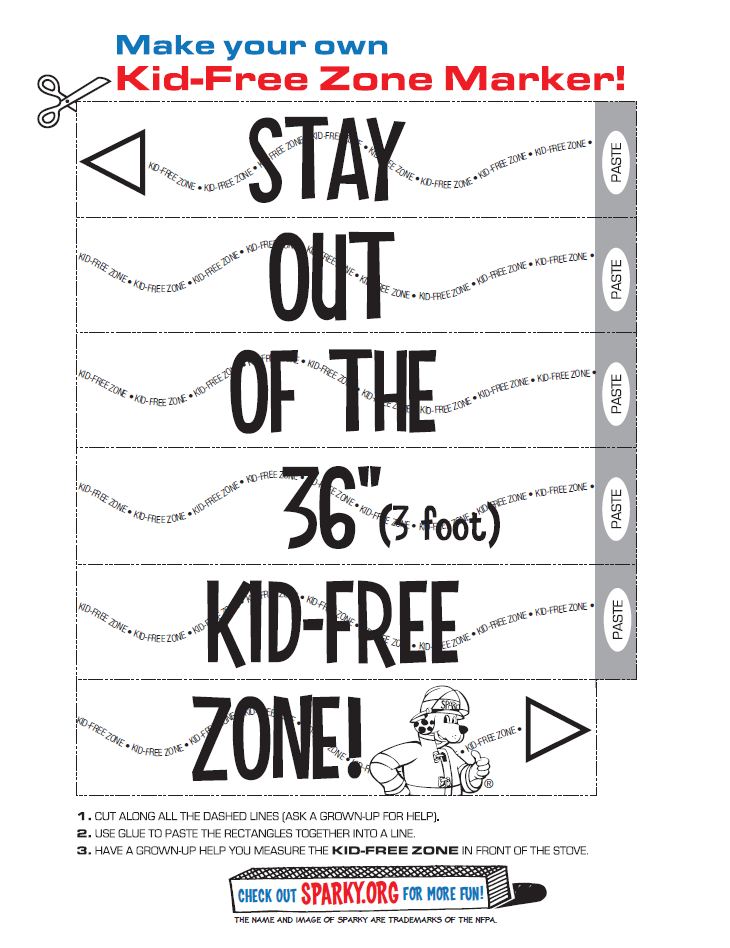
Educate children on fire safety
Prepare kid-friendly activities such as puzzles or crafts to keep them away from the kitchen. Choose recipes children can help with outside cooking areas.
The NFPA offers downloadable coloring pages and educational materials for teaching fire safety to kids.
Know your escape plan
Identify two escape routes from every room and share them with all guests—especially helpful in large homes or when hosting many people.
What to Do If a Fire Starts
Even with excellent preparation, accidents can still occur on Thanksgiving. Attempting to extinguish a fire without training is one of the leading causes of injuries. Knowing when to act and when to evacuate is critical.
Grease Fires
If a grease fire ignites on the stovetop, slide a metal lid or baking sheet over the pan to smother the flames and shut off the heat. Keep the lid in place until the pan cools completely. Never use water—it will cause the burning oil to splatter and spread. Fire blankets are also useful for handling small cooking fires.
Oven Fires
For oven fires, turn off the appliance and keep the door firmly closed to deprive the flames of oxygen. Do not open the oven until you are sure the fire has gone out, and stand to the side as you do so. If the situation doesn’t improve quickly, evacuate and call the fire department.
Outdoor Fires
If a grill or fryer catches fire, do not move it. Turn off the fuel source if you can safely reach it—close the propane tank valve for gas grills. Use a Class B fire extinguisher for fires involving grease, oil, or gas. Never use water on these fires.
If a turkey fryer fire becomes uncontrollable, get everyone at a safe distance and call 911. Hot oil can stay dangerous for hours. After any outdoor fire, have your equipment professionally inspected before using it again.
Using a Fire Extinguisher
Only use an extinguisher on small, contained fires such as a burning pan or trash can. Make sure you know how to operate your extinguisher and understand the labeling before an emergency occurs.
Aftermath
Even if you extinguish the flames, always notify 911 so professionals can inspect for hidden hot spots, smoke damage, or other hazards. It’s far safer to call the fire department and not need them than to call them when it’s too late.
Related Post: Understanding Smoke Damage
After the emergency, prompt restoration is essential. If you experience a fire, Paul Davis Restoration can assist with fire damage cleanup, smoke remediation, and full restoration services to help your family return to normal as quickly and safely as possible.
Sources
- https://www.usfa.fema.gov/statistics/reports/fire-causes/snapshot-thanksgiving.html
- https://www.nfpa.org/education-and-research/research/nfpa-research/fire-statistical-reports/home-cooking-fires
- https://www.nfpa.org/about-nfpa/press-room/news-releases/2024/nfpa-urges-extra-caution-when-preparing-your-feast-this-thanksgiving
- https://www.nfpa.org/downloadable-resources/safety-tip-sheets/thanksgiving-safety-tip-sheet
- https://www.usfa.fema.gov/statistics/reports/who-fire-impacts/civilian-fire-injuries-residential-buildings-v21i4.html
- https://www.usfa.fema.gov/prevention/home-fires/prevent-fires/cooking/
- https://dfs.dps.mo.gov/safetytips/thanksgiving-holiday-fire-safety.php
- https://www.nfpa.org/education-and-research/home-fire-safety/candles
- https://www.nfpa.org/education-and-research/home-fire-safety/heating
- https://www.nfpa.org/education-and-research/home-fire-safety/smoke-alarms/installing-and-maintaining-smoke-alarms
- https://www.usfa.fema.gov/prevention/outdoor-fires/